
Ecological Dynamics Foundation Series: Part 2
Don't Think Like a Coach, The New Game is Design Thinking

Part 1 if you missed it:
Ecological Dynamics Foundation Series: Part 1

Good designers never start by trying to solve the problem given to them: they start by trying to understand what the real issues are.
“Design is really an act of communication, which means having a deep understanding of the person with whom the designer is communicating.”
― Don Norman
I’m coming at this series from an odd angle. Indirect. Non-linear. And intertwined with this design book I’m currently reading. Kinda like how EcoD works. Rooted in chaos theory and non-linear dynamics, but that’s 801 stuff.
Although I still haven’t given a definition, we’re circling around the 101 stuff. Don’t worry, I’ll get there. Right now we’re playing with ideas and recontextualizing this whole ‘coaching’ thing. And hockey needs some recontextualization in its life:


And if we are coaching youth, junior, or pro hockey (other than a few distinct roles), we’re in the business of player experience and player development. So we also need to recontextualize our role from ‘coach’ to training designer.
Design Thinking 101
At first you’re just being, then after the fact you realize you were doing something. We only make sense of things in hindsight.
When Jamieson McVicar and I came to the rink after watching video in the morning and filling our heads with ideas, we were practicing design thinking without realizing it.
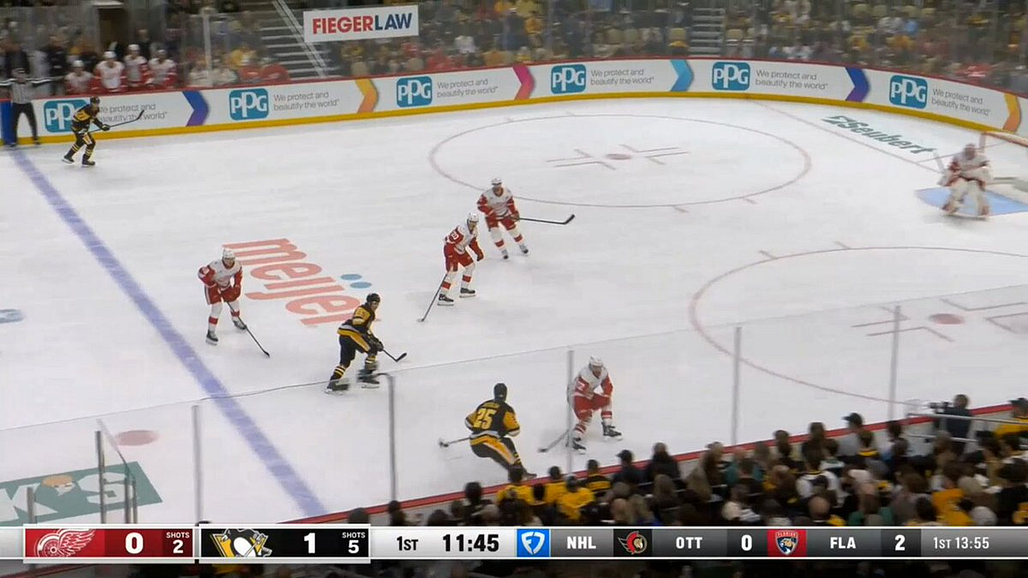
Here’s the design thinking process, mapped over those words with what steps a hockey environment designer would use:
Understand the problem (watch video of your team or teams doing something well that you’d also like to do well)
Explore (throw ideas of SSGs at a whiteboard with a friend)
Manifest (go with your best guess at the time, bring it onto the ice and observe how it goes)
Feedback and Iteration (on the car ride home from the rink, talk to Jamie about how things went and how we could iterate)
As your kid moves into and through puberty, a shift from free-play as primary to more use of Ecological Dynamics and CLA principles can occur.
Your role as training designer changes slightly. You can make use of these design thinking principles to design awesome SSGs for your group.
Here are 2 examples that start with a question, “how do we make the affordances (invitations to act on them) of X thing, more attractive so players can see them and play around with them in context”:
But don’t get ready to start lecturing, yelling, and giving hyper-specific instructions on technique. Note we also didn’t remove the context. We just added a little something-something to the play. It went from play to play-centered design.
Congratulations. You’ve reached puberty in our hypothetical journey with your kids or team and haven’t screwed them up yet.
Don’t start now.
The old way of coaching is dying.
As it should be.
Time to evolve.